
About EMTS
EMTS is the dedicated emergency medical service for the community of Buenaventura — and, increasingly, for the neighbors around it.
Our Mission
To provide the highest standard of care — trained professionals, properly equipped, ready to respond whenever there is an emergency.

Who we are
We are Buenaventura's own emergency medical service.
EMTS did not start as a subscription. We are the dedicated emergency medical service inside Buenaventura — paramedics and first responders staffed in-station, on site, for residents, guests, and staff. Being stationed inside the community means treatment begins where the emergency happens, instead of after a long drive from somewhere else.
Everything else grew out of that. Neighbors across the district — anyone who does not know how EMS works here, who to call, or what will actually show up — asked whether they could have the same thing. So we extended it beyond the gates.
A word about Buenaventura
We credit Buenaventura for taking the initiative. The community decided that everyone inside it — residents, guests, and employees alike — should have an emergency medical service able to respond quickly when seconds count and lives are on the line. We are proud to be how that commitment gets delivered.
Already retained, already here
We are not pitching a service we hope to build. We run it every day for the community we are stationed in.
Built for people new to the system
Most of our members did not grow up with 911. We explain what happens, in English, before anything happens.
Neighbors first
We extended to Río Hato, Playa Blanca, and Farallón because the people there asked — not because a map told us to.
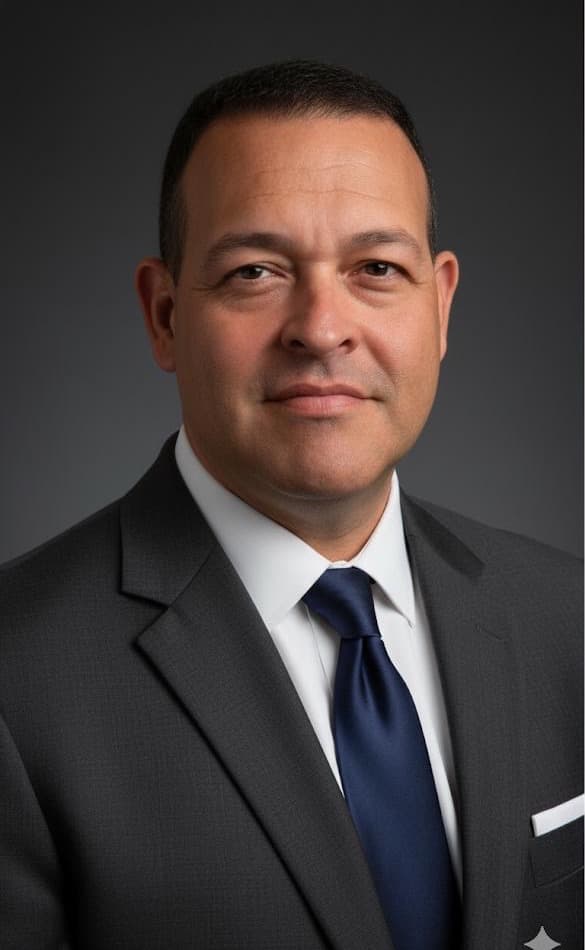
A message from our founder
When I founded EMTS, the idea was simple: provide quality emergency and critical care, and deliver an ambulance service held to the highest standards — as a Panamanian company.
Simple to say, harder to hold. An ambulance service is only ever as good as the people inside it and the equipment they carry, and both of those cost something every month whether the phone rings or not. We decided early that we would not cut there. A unit that is not fully equipped is not really a unit, and a crew that is not trained is not really a crew.
I understand that we have a duty to our community, and to those visiting Panama. Someone who has just arrived does not know how emergency care works here, who to call, or what will turn up when they do. That uncertainty is its own kind of danger, and removing it is part of the job.
My goal has not changed since the first day: the best resources, the best training, and the best people we can put in front of you — not the cheapest version that still counts as an ambulance.
I am also not going to overstate what we are. There are limits to what any private service can promise, and I would rather you hear them from me now than discover them at three in the morning.
If you have moved here from somewhere else, I know what worries you. Call me. I will tell you plainly what we can do, and what we cannot.
Arturo VillarrealFounder & Director of Operations
Training & standards
The standard only counts if you keep meeting it.
Our crews train continuously, and we hold ourselves to the standards used in the United States. That takes outside support as well as our own work.
IERF
One of our main supports is IERF, a non-profit in the United States that assists us with training resources here in Panama.
U.S. EMS training associations
We hold partnerships with EMS training associations in the United States, which keeps our protocols aligned with current practice.
Our own continuing program
We run continuing training in-house, so crews stay current with the latest standards, protocols, and equipment as they change.
Giving back
This is our country too.
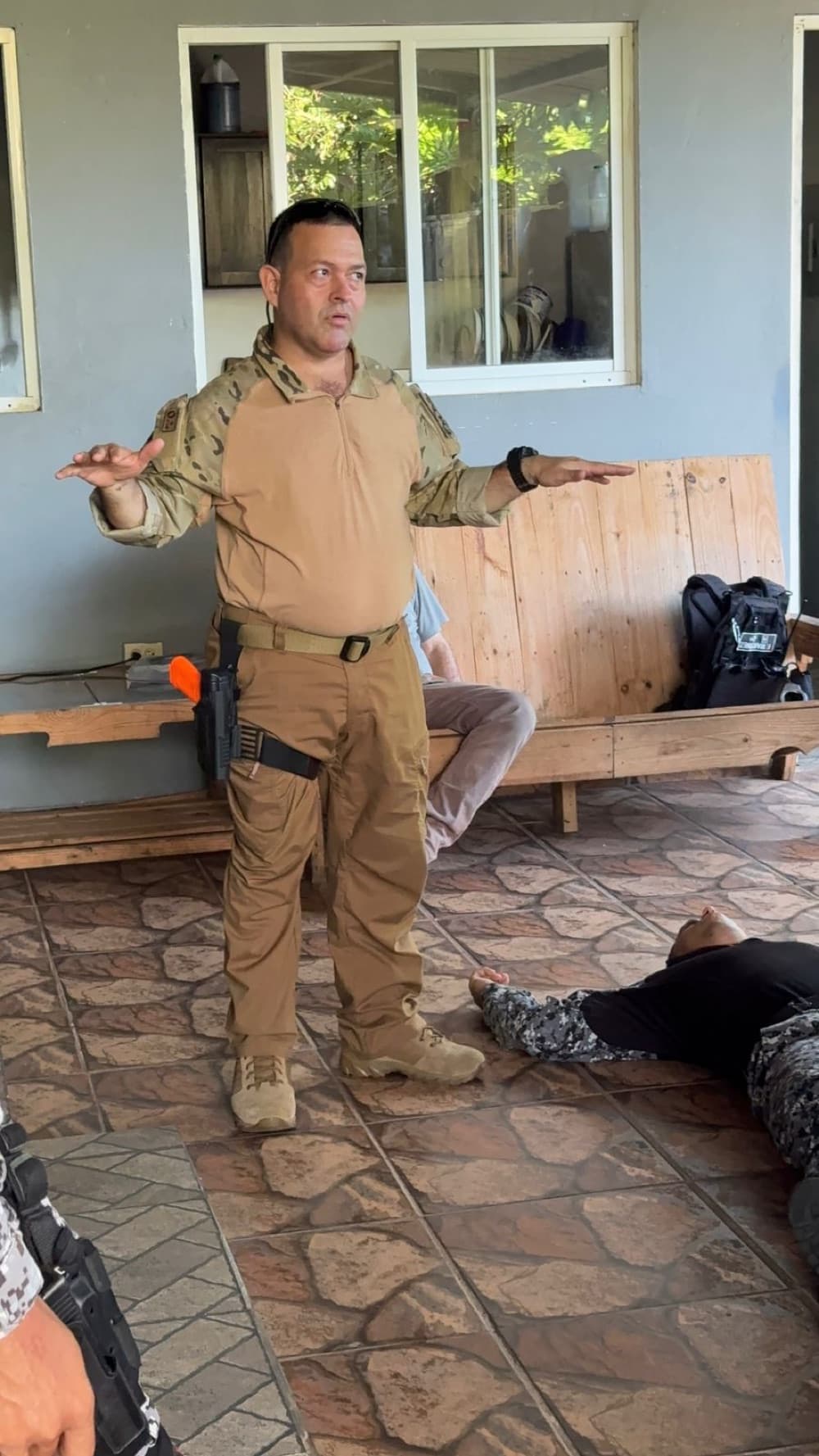
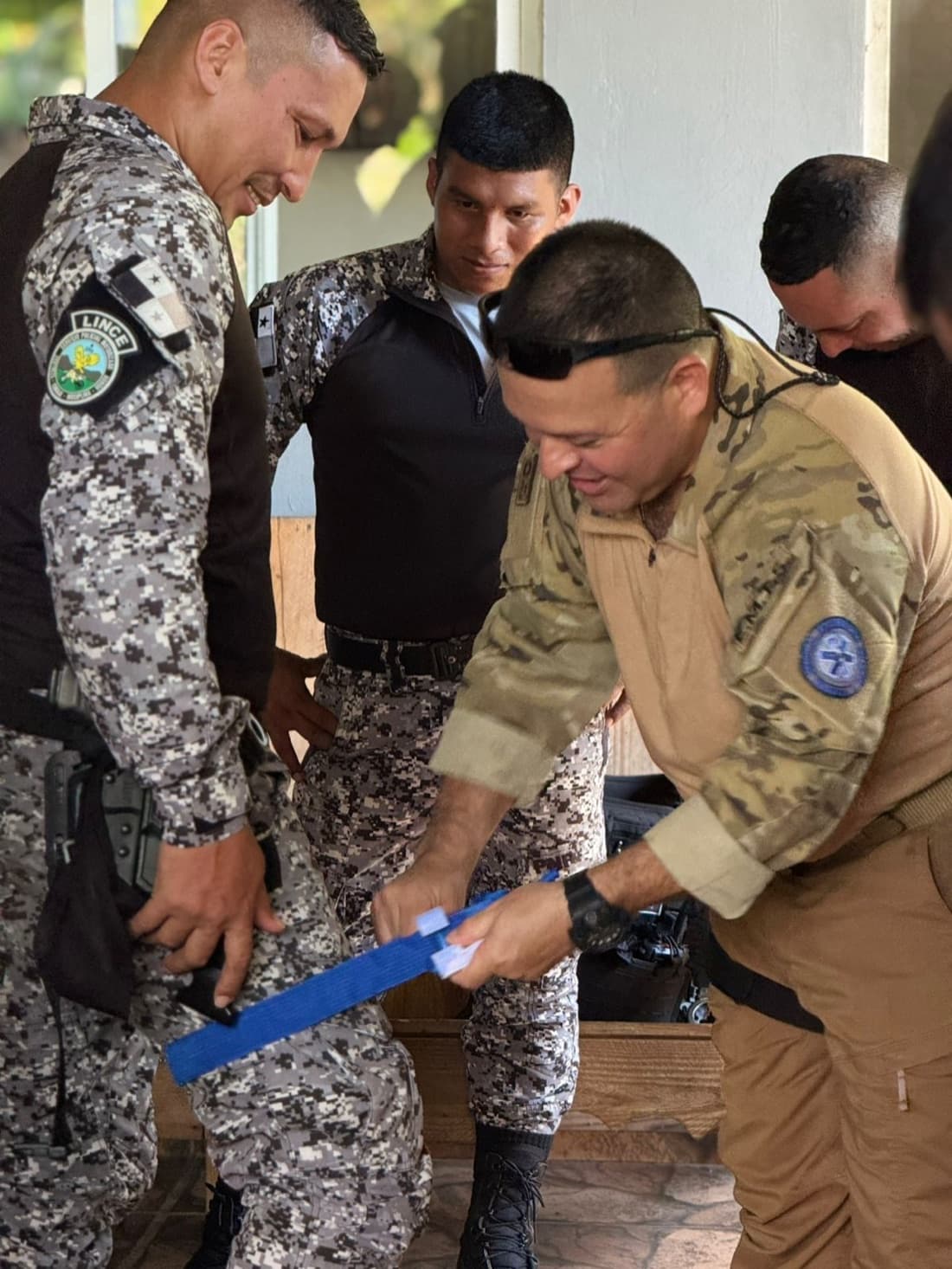
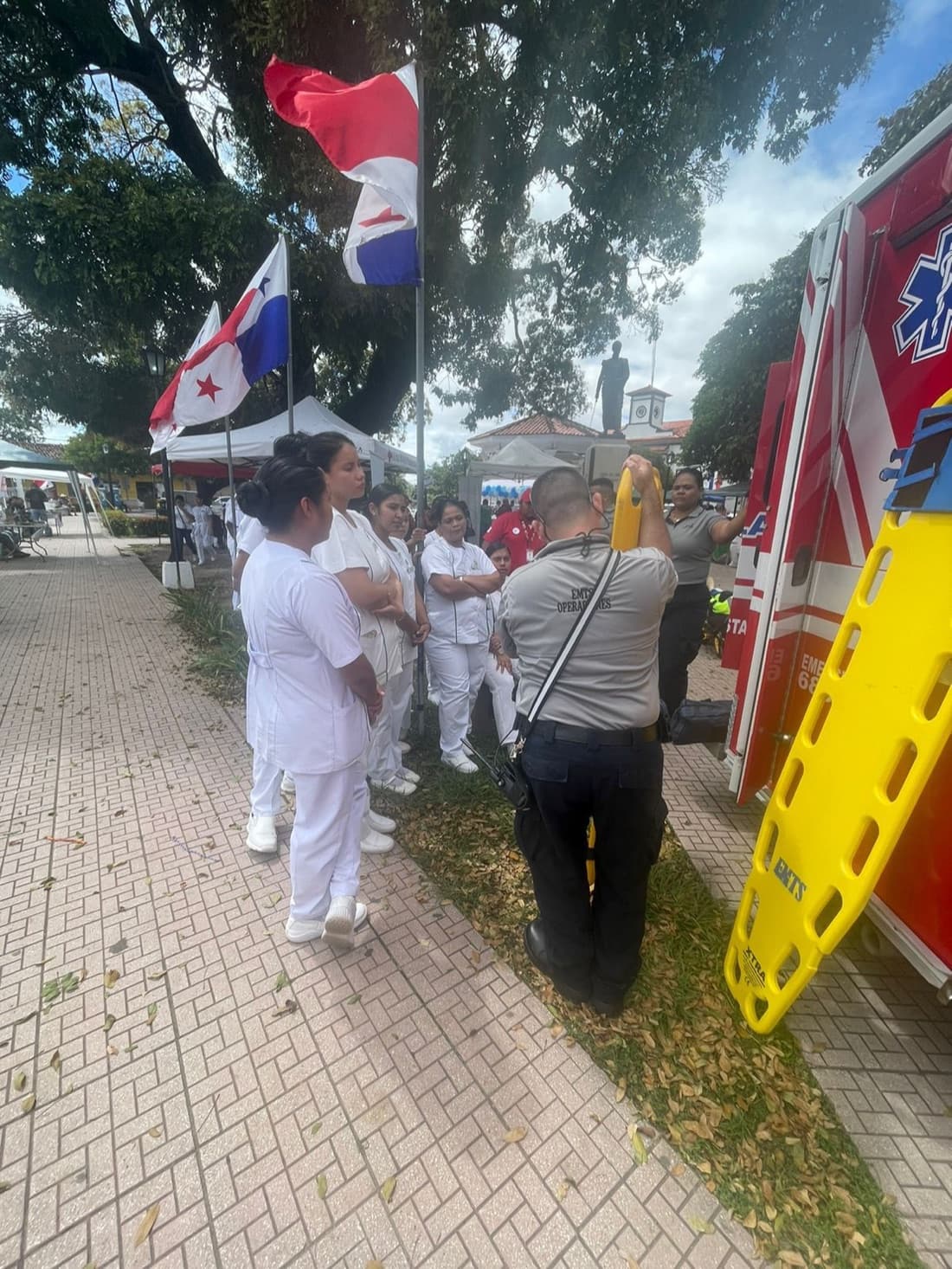
EMTS is a Panamanian company. When we have the capacity, we put it back into the services around us — hosting classes for police, firefighters, and public ambulance crews, running joint exercises, and turning up where we can be useful. It is not marketing. It is most of the reason people take this work in the first place.
Do you know where your nearest ambulance is right now?
Most people do not — and on the worst day of your life it is the only thing that matters. On this coast the nearest public unit is stationed in Penonomé: roughly thirty minutes of highway on a clear run, and if that unit is already on another call, you could be waiting well over an hour. EMTS is stationed inside Buenaventura, and inside our response area we are typically with you in about twenty minutes, depending on unit availability and access.
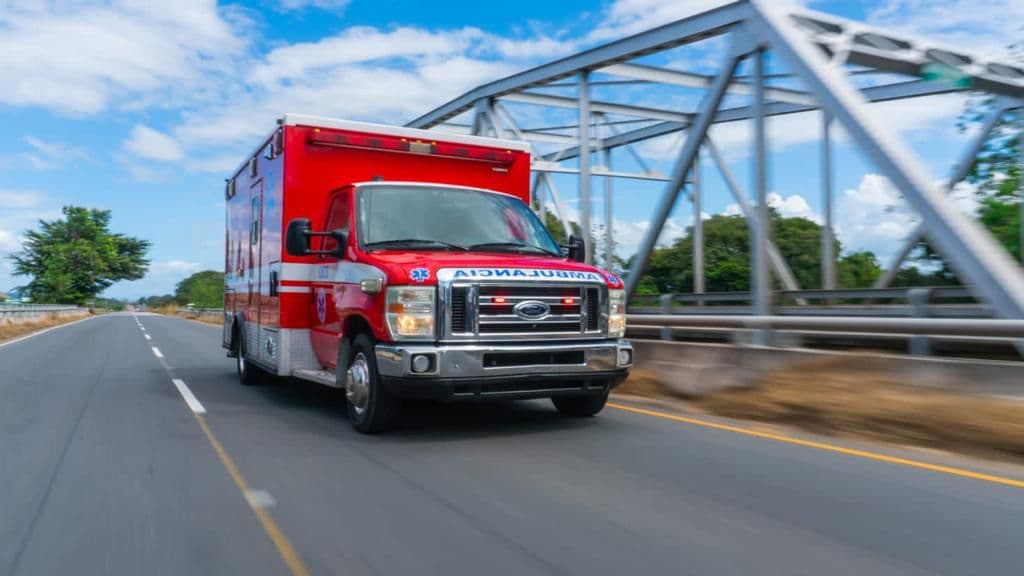
Trained and Ready.
Time from your call to a paramedic at your side
The difference is not effort. It is where the ambulance was parked when your phone rang.
- Call intake 3 min
- Response 17 min
- Call intake at dispatch 5 min
- Dispatch to station 5 min
- Drive time 30 min
Figures are typical, not guaranteed. Arrival depends on your location, access to the property, road conditions, and whether a unit is already committed elsewhere — and if it is, the wait can pass an hour.
Why minutes matter — the published numbers
These are not our figures. They are the time windows emergency medicine works to, and they are the reason it matters where an ambulance is parked before the call comes.
- Cardiac arrest7–10% per minuteChance of survival falls by roughly seven to ten percent for every minute that passes without defibrillation. (American Heart Association)
- Oxygen loss to the brain4–6 minutesBrain injury begins within four to six minutes once the oxygen supply is interrupted. (Resuscitation guidance)
- Stroke1.9 million neurons a minuteFor every minute an ischemic stroke goes untreated, an estimated 1.9 million neurons are lost. Clot-dissolving treatment must begin within 4.5 hours of onset, and works better the earlier it starts. (Saver, Stroke, 2006)
- Severe bleeding3–5 minutesA severed femoral artery can be fatal in three to five minutes. Bleeding control cannot wait until you reach a hospital. (Stop the Bleed)
- Major traumaThe first hourTrauma care is built around reaching definitive treatment inside the first hour after injury — the golden hour. (Trauma surgery convention)
Provided as general clinical reference. This is not medical advice, and individual cases vary.
This comparison describes the range of outcomes a patient may encounter without private coverage. It is not a statement about any specific agency, provider, or institution.
Getting there fast is only half of it. Where you are taken matters just as much.
Most people living out here only learn this during an emergency: public ambulances transport to the nearest hospital that will accept you. They do not run to Panama City. If your condition needs a specialty center — cardiac, stroke, trauma, complex surgery — arranging that transfer becomes a second problem to solve while you are already sick and already frightened.
Because EMTS is private, we are not tied to the nearest hospital. If the care you need is in Panama City, we drive you to Panama City — one crew, one vehicle, decided with a physician while you are still in the back of the ambulance. Nobody has to arrange a second transfer later.
Whatever you decide about us, decide something.
Know who you would call. Know roughly how long they would take to reach your door. Make sure the people you live with know it too, and that somebody can find your medication list without you. A plan costs you an afternoon. Not having one costs a great deal more.
“Nobody at the hospital will understand me.”
Our on-call doctor speaks English and is reachable throughout. Not every medic on every shift is fluent — we will not claim otherwise — but an English speaker is always part of your call.
“I don’t know which hospital is any good.”
We do. We take you to the right facility for your condition, not the closest door.
“My family is five hours away by plane.”
We call them in English, and keep calling until someone here can take over.
“I’m 70 with a heart condition and I live alone.”
Then you are exactly who this is built for. No medical exam, no exclusions for what you already have.
Language
You will not have to manage an emergency in Spanish alone.
This is the promise people ask us about most, so here is exactly what we can and cannot say.
The doctor speaks English
Our on-call physician directs every response and is reachable throughout your call.
Our Director of Operations speaks English
Arturo Villarreal answers his own phone, in English, for anything that is not a live emergency.
You reach a paramedic, not a call center
There is no call-taker in between. Our crews include medics who work in English, and if the crew on shift needs support, our English-speaking physician joins the call.
Your file removes the translation problem
Your conditions, medications, allergies, physician, insurer, and family contacts are on record in both languages before you ever call. Nothing about your treatment depends on you finding the right word.
And what we will not claim
What we will not tell you is that every person stepping out of the ambulance is a fluent English speaker. Panama is a Spanish-speaking country and our crews are Panamanian. What we guarantee is that an English speaker is part of your call — on scene, on the phone, or both — and that the people treating you already know your history before they arrive, because it is on the tablet in the truck.
Dedicated professionals, ready to respond.
These are the people who answer when you call. We would rather you meet them before you need them — walk the bay, open the cabinets, and ask the paramedic who would come to your house whatever you want to know.
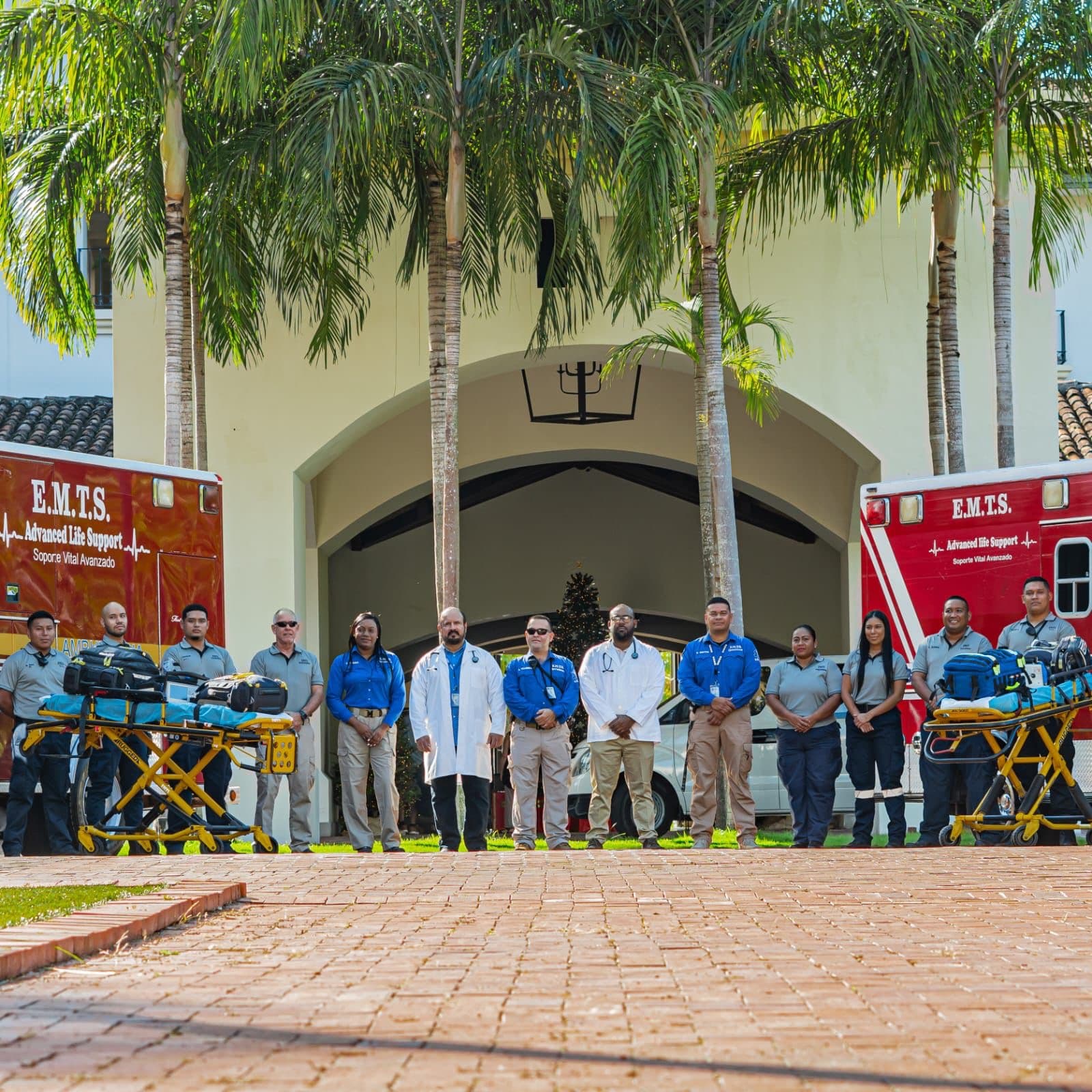
Physicians, paramedics, and drivers — one roster, one standard, one language you already speak.
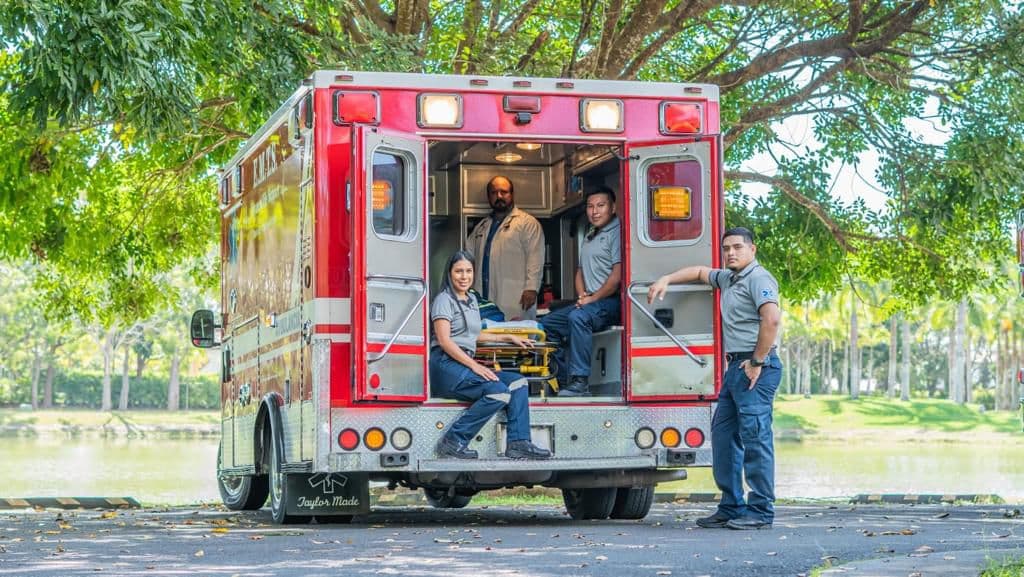
Physician-directed
A doctor sets protocols, backs the crew in real time, and takes the call when a decision cannot wait for the hospital.
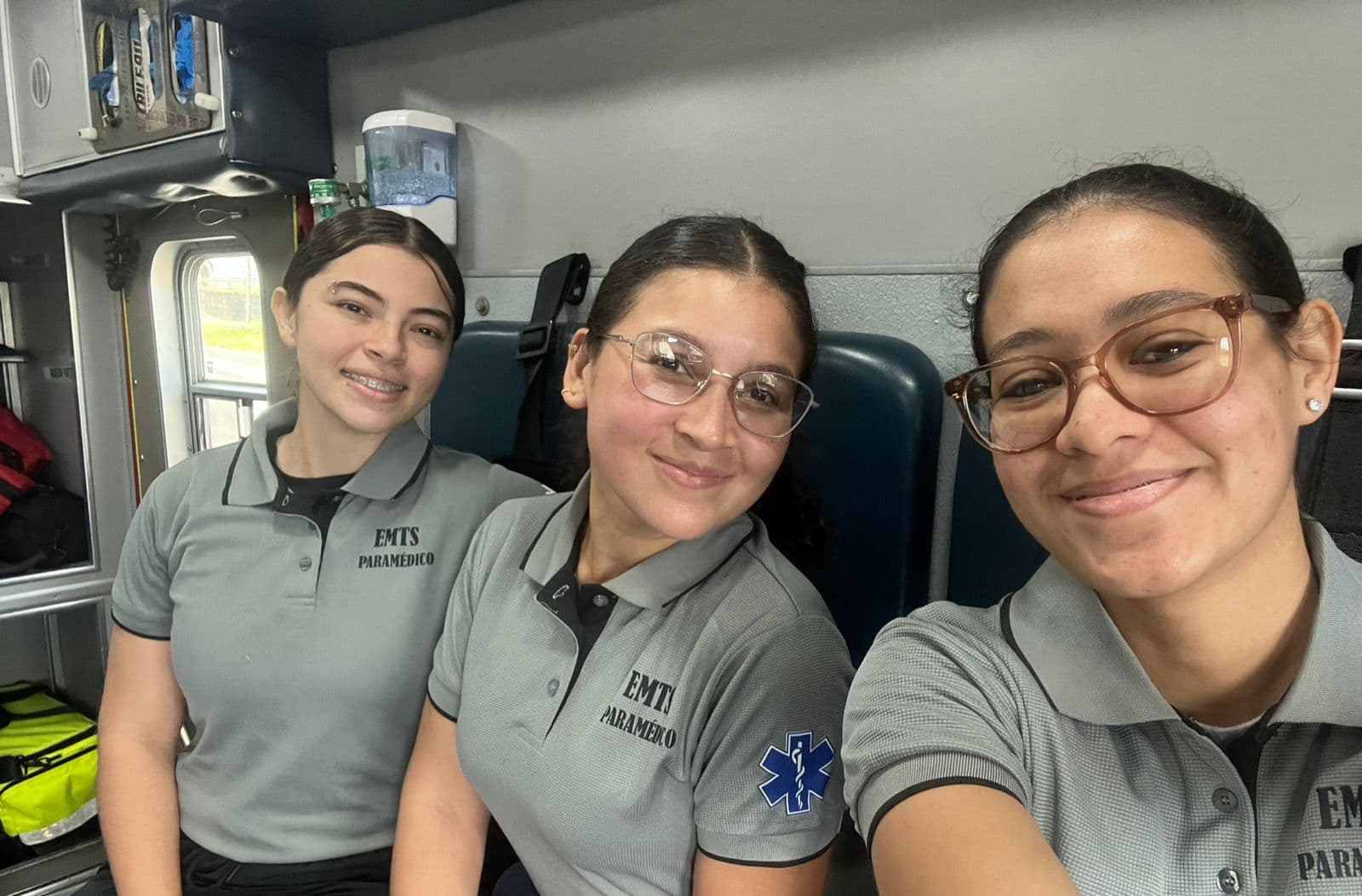
Paramedics, not drivers
Licensed clinicians who monitor, cannulate, medicate, and manage an airway — and know when not to.
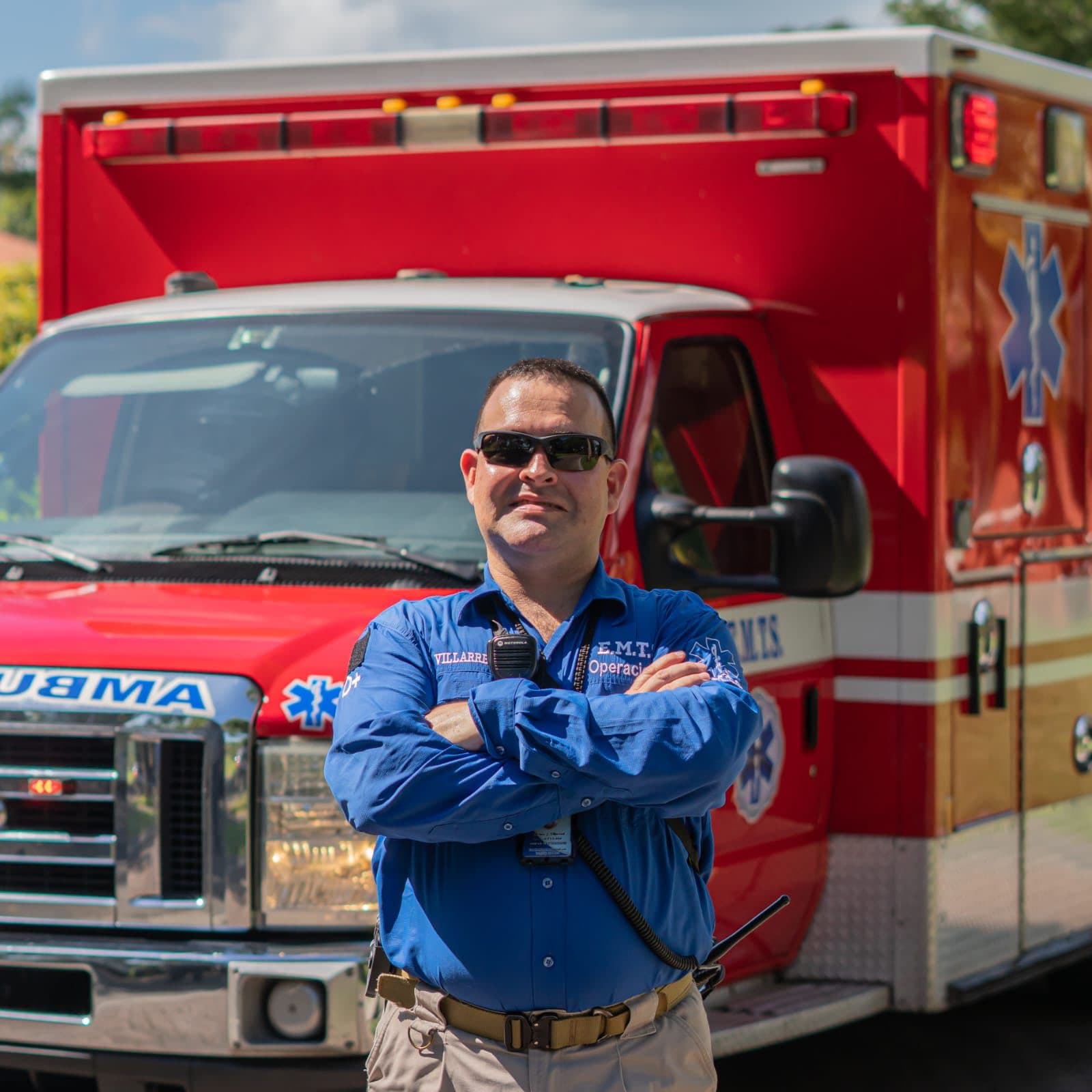
Led from inside the box
Arturo Villarreal still rides. Ask him about any call and he answers from memory.
Open house at the Buenaventura station.
- Walk through a fully equipped Type III ALS unit
- See the quick response vehicle and what it carries
- Meet the paramedics on shift
- Free CPR demonstration for every visitor
Buenaventura, Río Hato, Coclé, Panamá
Come see the station before you decide.
Walk the bay, open the cabinets, and meet the paramedic who would come to your house. Bring hard questions.